
Unmasking the Dark Funnel: What It Is, Why It Matters, and What You Can Do About It
The dark funnel isn’t new—it’s just finally being named. It’s where trust is formed, where awareness grows, and where decisions begin. The brands that win in 2025 will stop obsessing over what they can’t track—and start investing in being present, consistent, and influential where their buyers are making up their minds. Even if it’s in a group chat you’ll never see.
· 3 min read
Updated
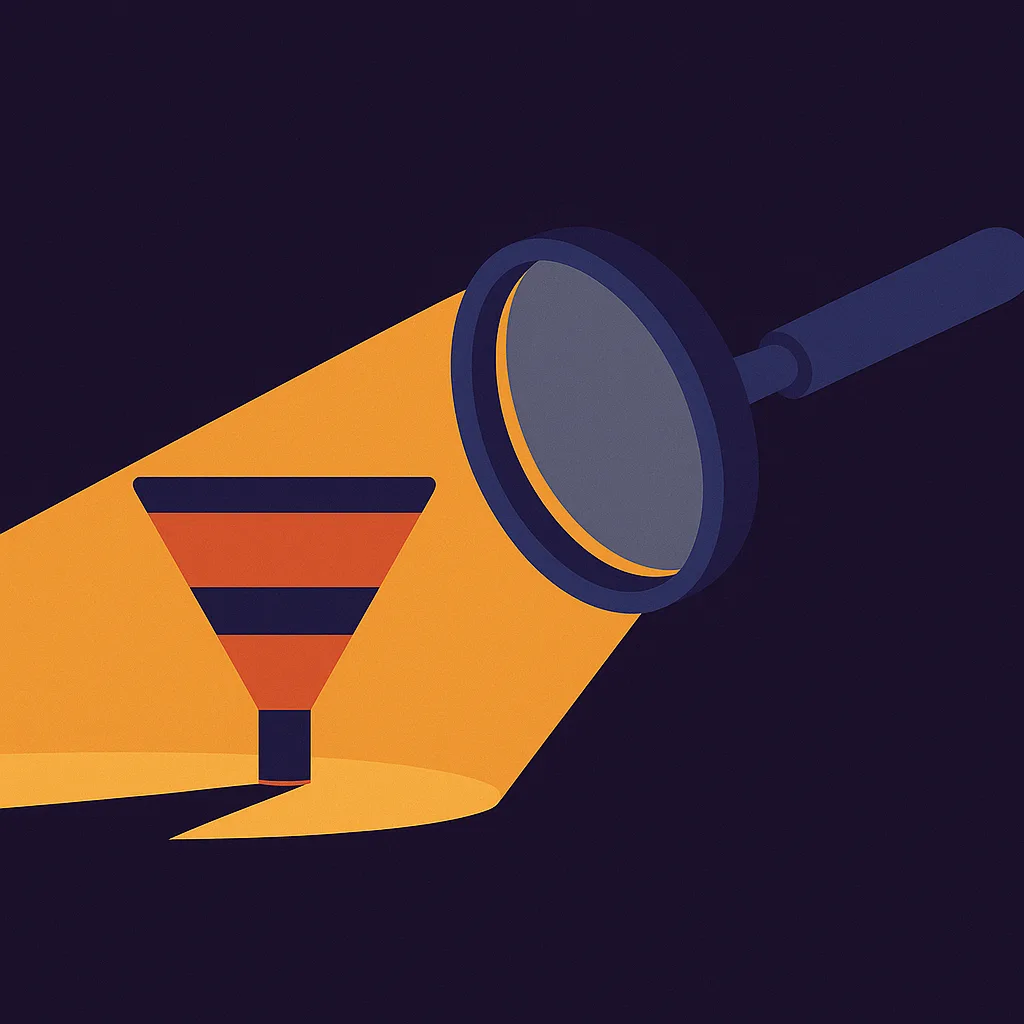
There’s a place your CRM can’t see. Your attribution software doesn’t track it. And yet, it’s where most B2B buying decisions start.
Welcome to the dark funnel, the hidden part of the buyer journey where influence happens long before a form fill, a demo request, or even a first click.
If you’re relying on gated content and first-touch attribution to steer your strategy in 2025, you’re flying blind.
What Is the Dark Funnel?
The dark funnel is everything your buyer does before they show up in your marketing automation or sales pipeline.
It includes:
Private Slack chats about vendors
Podcast mentions
Word-of-mouth referrals
LinkedIn posts they read (but don’t like or comment on)
Group DMs with “Anyone used [your tool] before?”
Untracked visits to your site via screenshots, bookmarks, or dark social shares
In short it’s real activity with real buying intent...that you can’t see.
Why Is It a Thing Now?
Two big shifts brought the dark funnel into focus:
1. The Buyer Is in Control
Modern B2B buyers are self-educating. They bounce between channels, consult peers, and delay sales conversations.
By the time they fill out your form, they’ve already made up their mind.
2. Attribution Has a Blind Spot
Most traditional marketing attribution models rely on trackable behaviors like clicks, downloads, UTMs.
But with privacy changes, anonymous research, and private platforms, huge parts of the journey go untracked.
You might think Google Ads is sending you mixed signals when in reality, your customer heard about you on a podcast, Googled your name, and converted from a branded search. The dark funnel made it happen, but you gave the credit to SEM.
So… Can You Track the Dark Funnel?
Not directly but you can read its shadows. Here’s how:
1. Monitor Dark Social Signals
Use tools like Shield or Taplio to analyze LinkedIn post reach and engagement
Ask new leads “How did you hear about us?” in forms or sales convos and actually log it
Track branded search volume over time, it often spikes due to untracked awareness
2. Layer in Intent Data
Platforms like 6sense, Bombora, and Clearbit can alert you when a target account is researching your category even if they haven’t hit your site directly.
3. Use Reverse IP or Similar Tools
Tools like Clearbit Reveal, Mutiny, or Factors.ai can identify anonymous visitors from target accounts, giving you a signal when dark funnel activity turns into engagement.
4. Measure Momentum, Not Just Attribution
Look at overall engagement trends (repeat visitors, direct traffic, time on site) and account-level behavior instead of obsessing over perfect source data.
What Should You Do Differently as a Marketer?
The dark funnel isn’t something to fix, it’s something to embrace. Here’s how:
1. Create Content That Tarvels
Focus on ungated, shareable, POV-led content that lives in the feeds and conversations your buyers are already having.
2. Double Down on Brand
People don’t just Google solutions they Google brands. The more memorable and trusted your brand, the more likely you are to win the invisible stages of the journey.
3. Build Advocacy Flywheels
Customers, partners, and employees should be your distribution engine. Empower them to post, share, and shout about you in the dark corners of the internet where trust is built.
4. Rethink Attribution Models
Go beyond last-touch. Incorporate self-reported attribution, multi-touch engagement scoring, and influence-based measurement that respects the complexity of modern buying.
The dark funnel isn’t new, it’s just finally being named. It’s where trust is formed, where awareness grows, and where decisions begin.
The brands that win in 2025 will stop obsessing over what they can’t track and start investing in being present, consistent, and influential where their buyers are making up their minds. Even if it’s in a group chat you’ll never see.
Related Insights
The Future of MarTech & SaaS
Why Early-Stage DTC Brands Miss the Mark on Retention
Acquiring a new customer costs 5x more than keeping an old one. And yet, most early-stage brands are so blinded by the dopamine rush of new customer notifications that they miss the real goldmine: retention. Let’s be real. Most early-stage brands aren’t ignoring retention because they don’t care. They’re ignoring it because they don’t know where to start.
November 7, 2026 · 3 min read
The Future of MarTech & SaaS
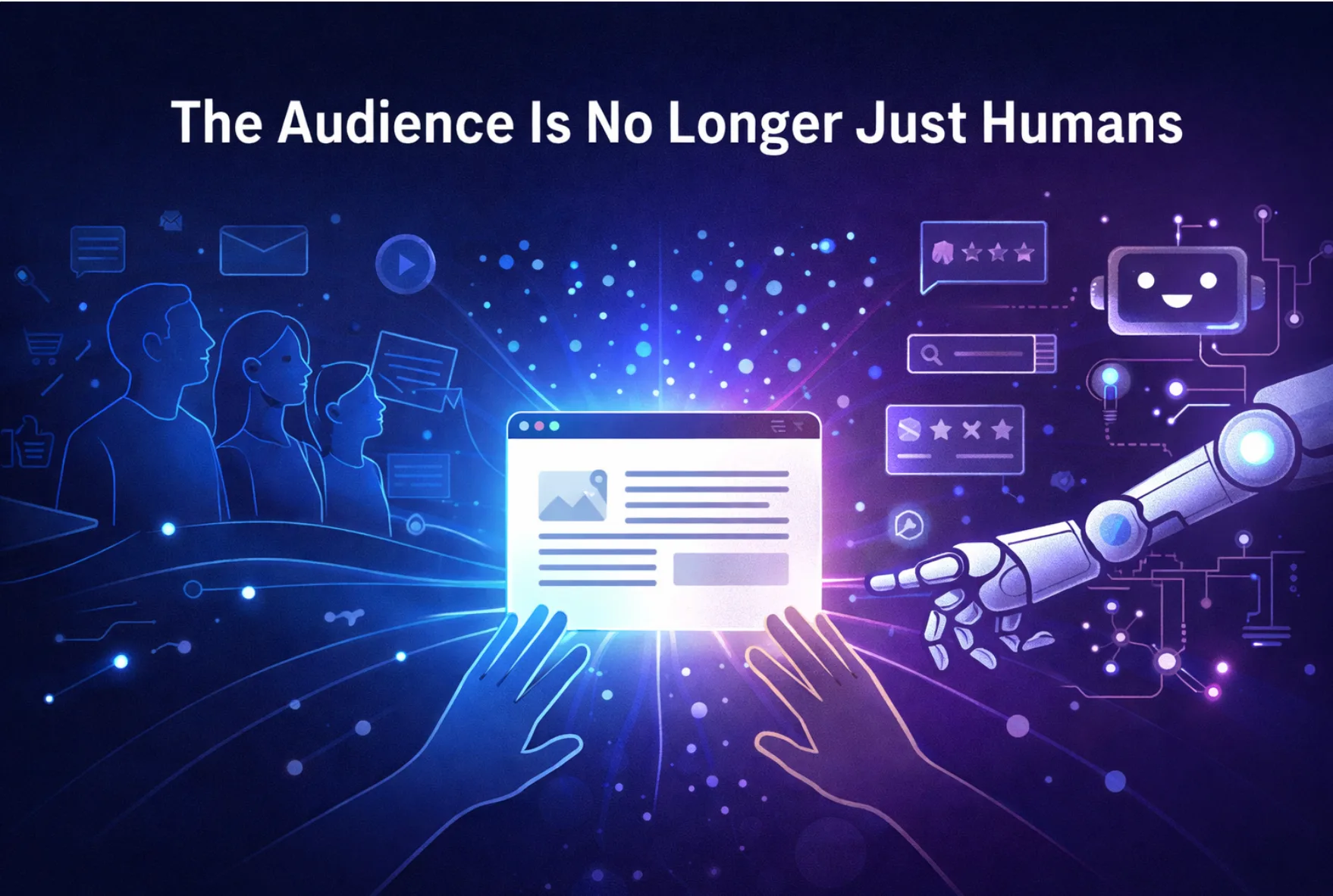
The Audience Is No Longer Just Humans
For most of modern marketing, we made one core assumption without even saying it out loud: the audience was a person.
Chris Parker · October 25, 2026 · 8 min read

The Future of MarTech & SaaS
Why Brand Will Outrank Performance
The most sustainable growth will come from being the brand people think of first, not the one they found in a sidebar ad. Buyers are craving trust and authenticity. Channels are crowded. Attribution is foggy. And the most underrated growth lever in B2B right now? Brand. Build it. Invest in it. Defend it. Because if people don’t believe in your brand your performance ads are just noise.
September 7, 2026 · 3 min read